Weekly Round-Up: Preparing to Return to Belize
Heading down to Turneffe Island Resort this coming week with a hosted group.

In this line of work, one learns to wear different hats very quickly. I keep a stable of “day job” clients, juggle various hosted trips, write and photograph for both editorial and commercial clients, consult, and do several other tasks on any given day. This week I’ll be doing the same, albeit in a different setting: I’m heading back to Belize to host a group of eight awesome anglers at Turneffe Island Resort, while also prepping for the next hosted trips only three weeks after this one (Bolivia heli-fishing) and also writing / shooting an upcoming magazine feature for Salt Water Sportsman on Turneffe atoll fly fishing. And juggling a torn meniscus to boot (big fun).
What’s the saying? At least it’s never boring.
I’ve been grateful to spend a lot of time in working in the fly-fishing industry in Belize over the years; I think at this point my passports have more Belize stamps than almost anywhere else, including a memorable month right after the country reopened post-Covid in October 2020. I’m looking forward to returning to the Caribbean flats with a fun crew of humans to chase a few fish around.
Back to the Salt
Packing the bags once again. Almost like we’ve done this before.
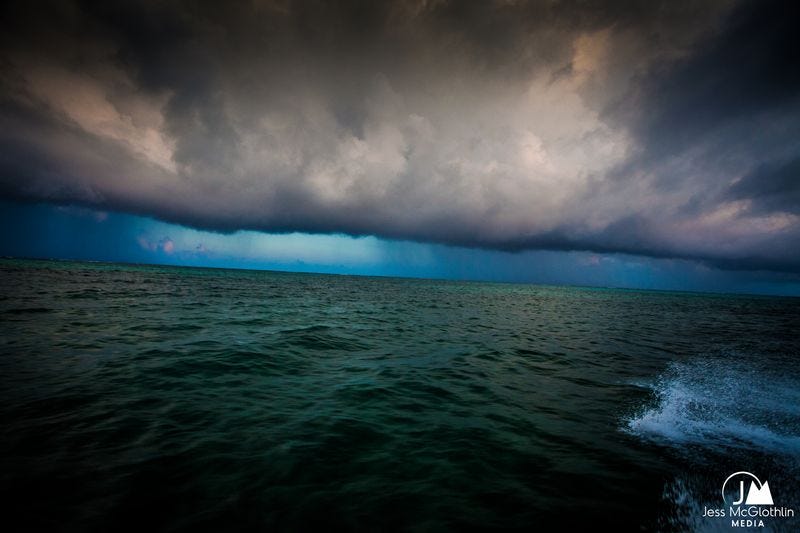
We’ve got a fun crew of anglers for this trip; a few folks who have traveled with me before and some stellar new faces. By the time this hits your inboxes Sunday morning we’ll have rods rigged and be getting ready to head out for our first day of fishing the flats. The forecast is looking gloomy—wet and windy—so we’ll see what we get, but I have confidence the team will put in the work. You’ll get a full report on how the hosted week goes in next week’s newsletter (it might be just a bit delayed due to travel; thanks in advance for your patience), but this week we’re diving back into at saltwater packing basics... starting off with flies and how to store ‘em.
Flies and Fly Boxes
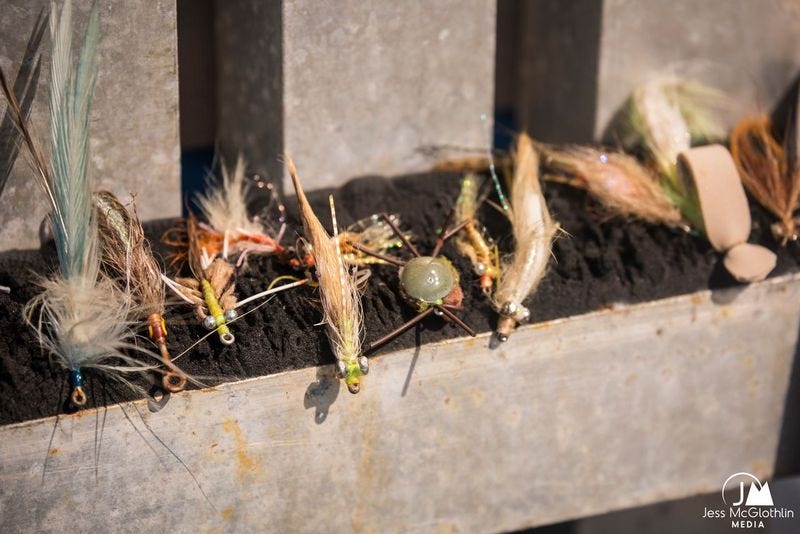
Like in all freshwater fishing, the flies you’ll be using will largely depend on the fishery and what species you’re targeting. Saltwater patterns typically fall into three categories: crabs, shrimp, and baitfish imitations. Talk with your lodge or guide to see what patterns they recommend for your destination. (My personal favorites I always keep in the box regardless of where I’m fishing? A chartreuse / white Clouser, a Gotcha shrimp, and a raghead crab.)
Many serious saltwater anglers prefer to run a separate fly box for each type of fly, allowing maximum organization on the boat. If you’re wading or prefer to pack fewer boxes, be sure to segment your flies accordingly within the box and keep them organized, so you can quickly assess and change while you’re fishing. Look for fly boxes that will keep flies secure in the foam (handy to help keep things organized through both jostling travel and windy days on the water), and keep the interior of your fly boxes dry.
Once flies have been in the saltwater, put them into a plastic baggie or keep them separate from the rest of your flies until you can rinse or soak them in freshwater and dry them. Putting a wet, salty fly back into your box is a fast way to rust out your entire fly box.
Pliers
Saltwater fish are big and can be toothy. Bring along a sturdy pair of fishing pliers to help remove hooks, snug knots, and cut tippet. Many come with a belt-mounted holster pouch for easy access. Just like your other gear, make sure you rinse your pliers in freshwater after every fishing trip and dry them thoroughly before storage. I keep a dive knife on my belt as well, and it comes in hand for cutting line, slicing fruit, and many other random things.
Sunglasses
Eyewear: essential for any anglers. Sunglasses protect your eyes from wayward flies as well as from the sun and are a good idea any time you’re on the water. Look for wrap-around styles that will help guard your eyes from reflective rays and provide a good line of sight. I prefer polarizes green lenses for inshore fishing and polarized blue lenses for offshore fishing—both colors can really help fish pop, which is key when you’re sight fishing and need to spot a moving target.
Always keep a spare of sunglasses with you, too. Accidents happen, and whether it’s a broken lens or a pair dropped overboard, it’s good to have a backup pair ready to be called into action.
Wading Boots
In many Caribbean fisheries you’ll be fishing mostly from a boat, but in case you have the chance to hop out and wade a flat, it’s a good idea to have a pair of wading boots at hand. Look for boots that offer ankle support and drain quickly and are durable enough to hold up against limestone-bottomed flats, mounds of coral, or other unexpected objects. Some anglers like to layer neoprene socks underneath their boots, while others simply wear athletic socks.
I’ll often wear flip-flops down the dock and kick them off once I’m in the boat. Fishing from a skiff or panga barefoot is a good idea as you can feel if you’re stepping on your fly line. If you have tender feet or simply prefer to have something on your feet, consider bringing along a pair of lightweight, light-colored socks. You’ll get sun protection (the tops of feet burn quickly!), have protection from a hot deck, and pad the soles of your feet. If you do choose to wear shoes on the boat, ensure they are non-marking and will not leave marks on the guide’s deck.
Clothing
Just as with street clothing, fishing clothing is largely left to personal preference. Wear what makes you comfortable but keep this in mind: sun protection is king. There’s a reason you see most saltwater anglers in long-sleeved, hooded fishing shirts and long pants. On the flats the sun is brutal, and shade is hard to come by. Sunscreen is great but sweats or washes off more quickly that you’d guess, and physically protecting your skin from the sun is a good move.
Plan to bring along sun shirts (again, long sleeves and a hood are a good idea), a hat (ballcap or a broad-brimmed sun hat), and quick-drying bottoms. If I’m wading or in the water a lot with the camera, I prefer shorts, but I’m very careful to sunscreen often and always bring along a towel to cover up bare legs with if the sun gets to be too much. There are a myriad of quick-dry long pants on the market that will help protect you from the sun and keep you cool while doing so.
It’s a good idea to also back along a gaiter to pull up along your neck and ears, and always bring a rain jacket, even if the morning looks cloudless. Storms can and do pop up quickly on the flats, and while it’s often a warm rain, you’ll be happier if at least your head and torso are dry. If it’s forecasted to be a stormy, wet day, bring along a pair of rain pants or bibs as well.
Miscellaneous Day-Savers
Everyone has their own set of “personal items” they bring along for a day on the flats. I always pack my gear (cameras included!) in a waterproof pack so when the inevitable rain comes I don’t have to worry about tucking items away out of the wet. Whether you prefer a boat bag, a backpack, or a sling pack, ensure you at least have a waterproof dry bag along to shove everything into when things get a little damp.
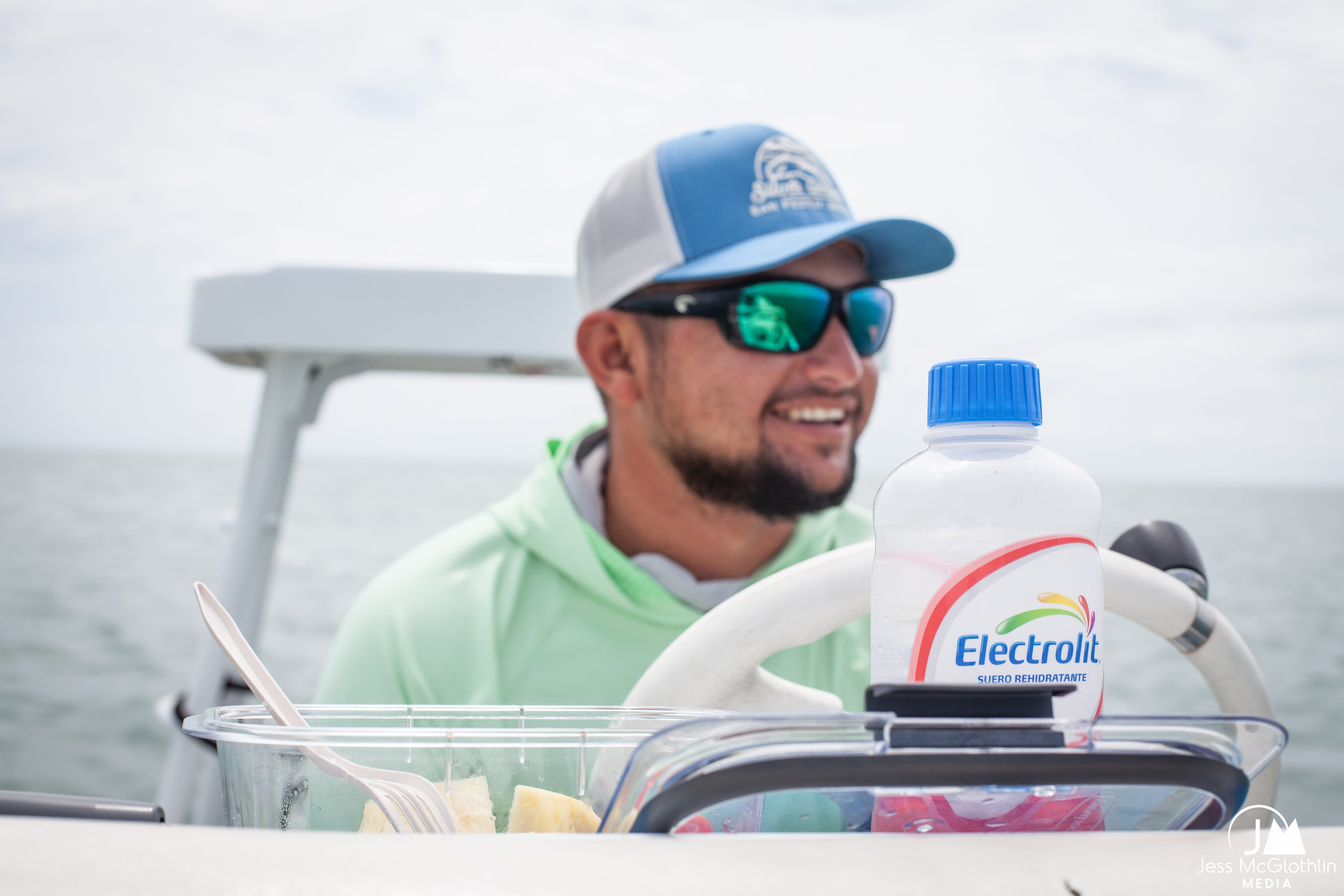
Even if the guide is bringing water bottles, I like to bring one pre-mixed with electrolytes so I can sip that throughout the day (LMNT is my favorite—clean and easy to travel with), alternated with plain water. It’s ridiculously easy to get too focused on the fishing and get dehydrated on the flats, which helps neither your fishing nor your evening relaxing at the lodge bar. (If you’re not into flavored drinks, bring along a few packets of electrolyte gummies and stick them in the boat cooler.)
I like to keep a secondary source of caffeine with me in case I can’t get that morning cup (or in case jet lag / lack of sleep has me crashing in the evening. For the past couple years I’ve been reaching for Protekt’s Energy Sticks (as well as their electrolyte sticks called Hydrate). Both of these formulations are individual liquid shot packs, which means they mix well into water, and the Energy sticks give a shot of organic caffeine, taurine, and B vitamins. I’ve grabbed an affiliate link from Protekt for any orders; order from this link and use code JESS160, which will save you 15% off your order (and send a little commission my way as well).
Above all, listen to what your guide and the fishing manager have to say, and be open to trying new methods of fishing. Your first trip in the saltwater is a momentous occasion, and you’re going to enjoy it all the more if you relax, trust in the gear you’ve planned and prepared, and soak in every bit of the experience.
I live and die by packing lists. Paying subscribers can download my saltwater packing list at the link below (and folks joining me on hosted trips always get customized packing lists for the trip). This is the core list that all my saltwater packing lists are built from; I’ll copy / paste the .doc and modify for each trip’s individual needs (i.e. bluewater fishing for sailfish has different needs than chasing bonefish on the flats).
Upcoming Hosted Trips
2026 and 2027 trips are nearly fully booked, save for two rods for Kendjam in August 2027.
I’ll be announcing a handful of 2028 trips later this year; these hosted trips will continue to run on a very limited basis. Jump on ‘em when you see one that intrigues you!
Bolivia Heli-Fishing (Trophy Golden Dorado): June 27-July 4, 2026
SOLD OUT - WAITLIST AVAILABLE
Fish Partner’s Highlands Lodge, Iceland: June 26 - July 1, 2027 (Week 1) and
July 1 - July 7, 2027 (Week 2). Both weeks sold out, waitlist available.NEW: Kendjam Lodge, Brazil: August 28 - September 4, 2027
Multi-species, dry fly jungle fishing. More info below.Rio Marié Headwaters Camp: September 5-12, 2027
SOLD OUT - WAITLIST AVAILABLE
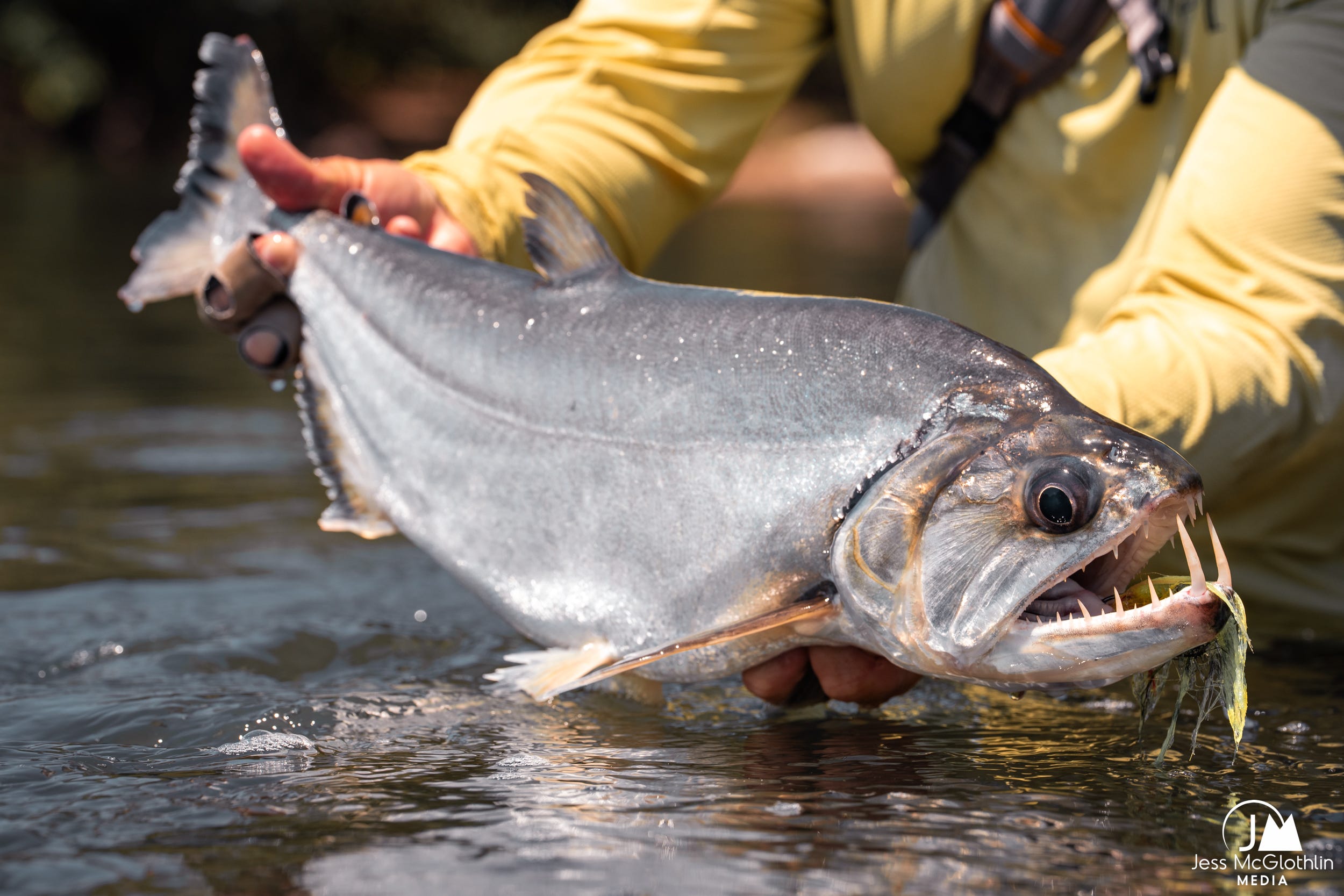
2027: Kendjam Lodge
Dry fly fishing for a variety of jungle species on Kayapo Lands.
I’m exited to announce I’ll be returning to Kendjam Lodge in Brazil. I spent two weeks at this fantastic jungle fishery this past September, and will be visiting Kendjam again before heading right to the Rio Marié Headwaters Camp afterward.
This is a wonderful dry fly, streamer, and nymph fishery (five and six-weight rods!) in a classic jungle setting. Expect diverse, fun fishing from both boats and walk/wade, an immersion into the indigenous Kayapo culture, excellent food, and comfy lodging.
Get more info in this PDF. Only TWO spots remaining.
August 28 - September 4, 2027
$7,950 / person, shared room and guide + $740 native fee
6 full days fishing / 7 nights at Kendjam Lodge
Want to learn more about any of these trips?
Send me a DM on social media or shoot over an email.
Q&A
Keep on sending in your questions via Instagram or by commenting by clicking the button below. Each week I’ll pick one and give a longer, more thought-out answer here than those I give on Instagram.
This week’s question came in via Facebook.
Q: You always have your cameras with you wading or on boats in the saltwater. How do you keep them from corroding and being ruined?
A: I’m always careful to keep a clean “non-salty” towel in my kit, and if I’ve been handling fish, line, or other saltwater-coated items, I wipe my hands well before handing the cameras. Each night when I get off the water, the cameras are immediately (pre-bar, pre-pool, pre-whatever) wiped down thoroughly with a damp washcloth, and then dried with a dry one. Filters and lenses are cleaned and polished, and I use a bulb blower to get rid of any sand or sediment that might have gotten into little crevices. If it’s been really humid, cameras are sealed overnight in the Pelican case with a bunch of desiccant packs to help suck moisture out from the innards.
I never open the memory card ports out on the water (so spend the money for big cards) and minimize changing lenses (part of the reason I run two bodies on shoots—one with a long lens, and one with a wide). A lot of it is common sense… saltwater and electronics don’t mix, so keep the two as separate as possible. Showing your gear care and love will go a long way toward helping it last for future use.
Recently Published
“Class In Session”—a feature story and photo essay about the Native Guide School at Rio Marie—just ran in the latest issue of The Fly Fish Journal.
Pick up the latest copy of Hook & Barrel Magazine for a feature article and images about my time at Kendjam Lodge last September… a proper jungle adventure.
The annual Fly Fishing Issue of The Big Sky Journal just dropped, and inside you can spot a couple familiar images of both grayling and aerial Idaho river scenes.
H20 Magazine featured a piece (and a cover photo!) about backcountry fishing for Yellowstone cutthroat in Montana in the latest U.S. edition of the magazine.
Grab the most recent issue of Fly Fisherman Magazine to read the story of Chip and Skylar Lamont, who are building a fly-fishing lodge in remote Alaska.
Australia and New Zealand’s FlyLife Magazine just ran a print feature on Iceland and (surprise!) a cover photo as well.
Pick up the latest issue of Shallow Water Sportsman to read Notes From the Vineyard, an ode to overnight striper tournaments on Martha’s Vineyard.
Shouting at the Sky, a story about Kayapo life in the Brazilian Amazon, just ran on Field Ethos. The Beckbe Journal just published this piece about weird yet utterly memorable moments in the Darien: Darien Dance Parties.
Follow Along on Social
If you’re not already, follow along on Instagram, LinkedIn, and Facebook.
Like what you’re reading? Share with friends! Thanks for your time and support.